

Job Coaching & Supported Employment
Real wages. Real dignity. A professional identity that belongs to the person who built it.
At The H.U.B., supported employment is not a placement program — it is a process of discovery. Each resident begins with a skills assessment that centers their own interests, strengths, and aspirations. Job matching is driven by what the resident wants. From there, one-on-one job coaching from trained staff follows the resident into real workplace settings, providing the embedded, responsive support that makes genuine employment success possible.
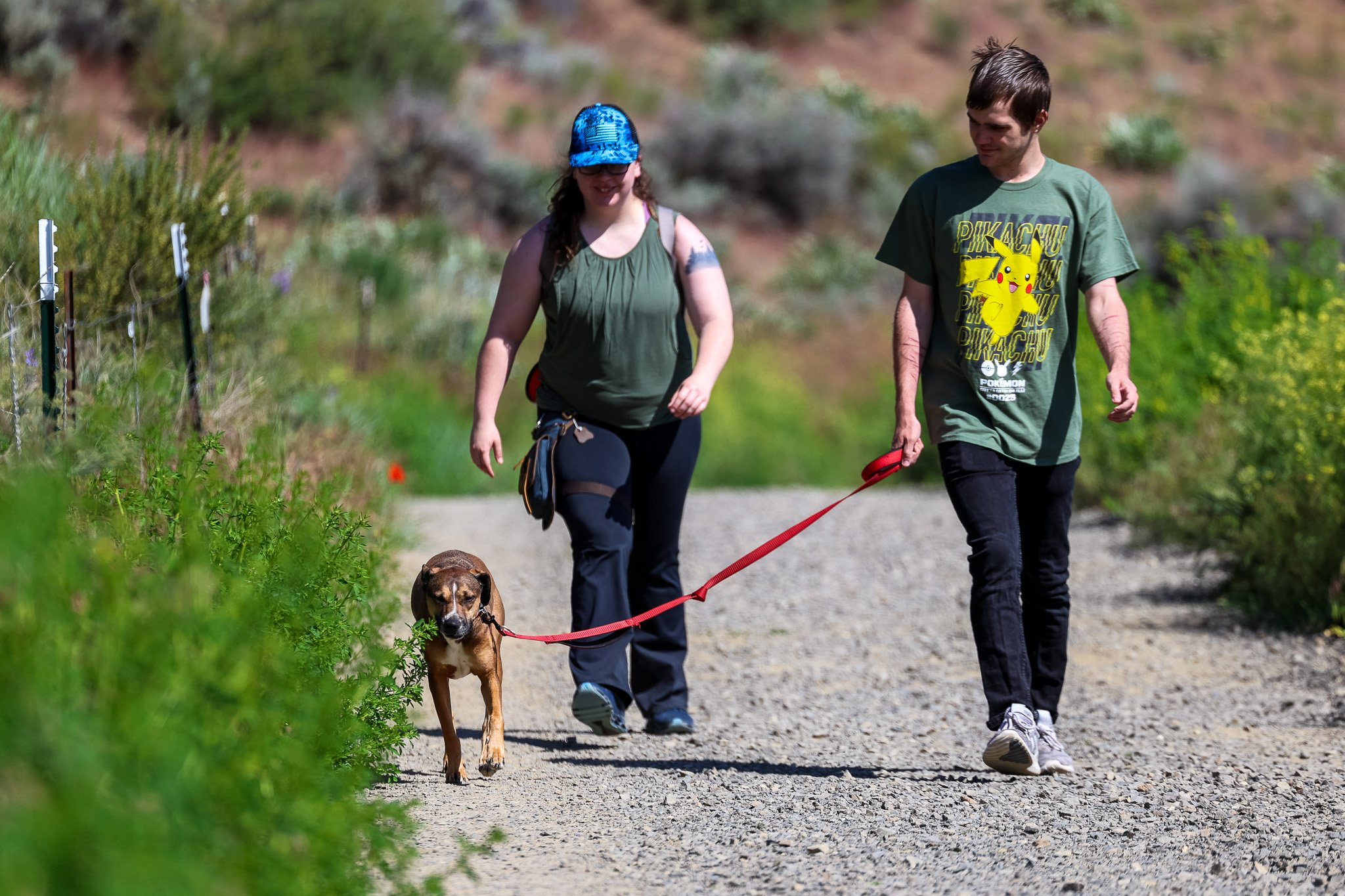
The transferable skills residents build — customer service, communication, time management, professional reliability — open doors across industries and careers. Community employment pathways include platforms like Wag! and Rover, where residents in animal care roles earn real income and develop a professional identity that comes from being trusted with meaningful work. Our supported employment approach is aligned with CARF Supported Employment standards and grounded in the belief that competitive employment is not a reward for meeting milestones — it is a right, available to every person who wants it.
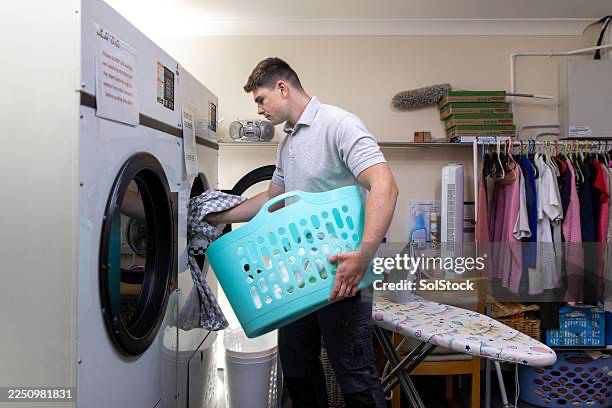

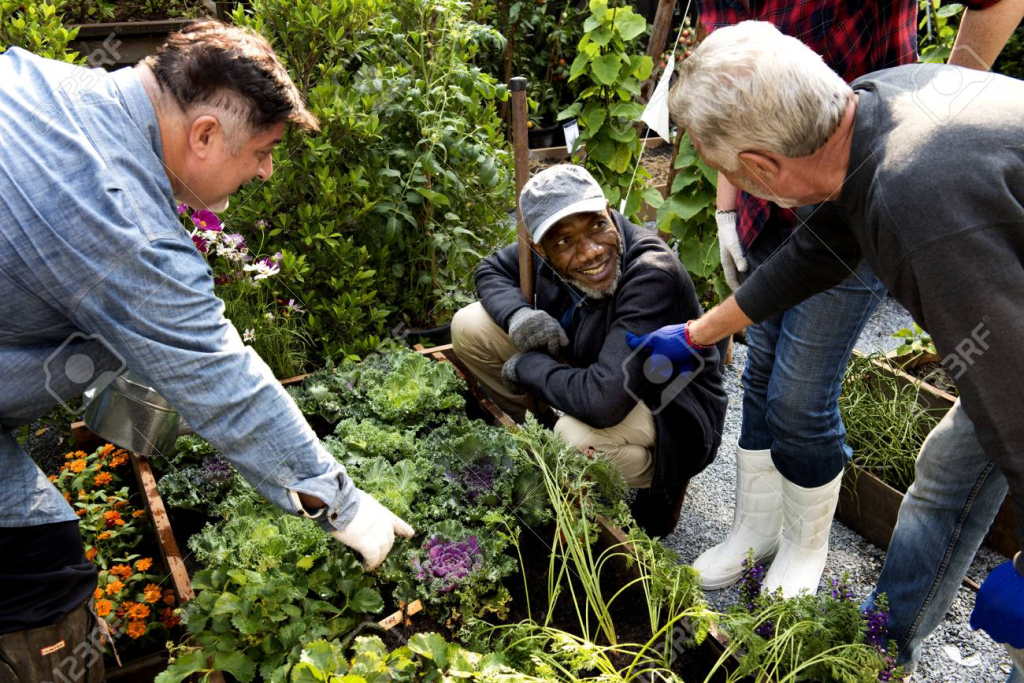

Every skill built at The H.U.B. — whether it’s running a register, maintaining a clean space, tending a garden, delivering excellent customer service, or simply showing up on time — is a stepping stone, not a destination.
We don’t teach work skills for the sake of staying here. We teach them because the habits formed inside these walls are the same ones employers in the community are looking for. Reliability. Attention to detail. The ability to follow through. The pride that comes from earning your own paycheck.
When a resident learns what it feels like to be counted on — to clock in, do the job well, and go home knowing they contributed — something shifts. That shift is the foundation of real independence.
Our on-site employment model is intentionally designed as a bridge. Every task, every role, every paycheck received here is building the confidence and the work history needed to walk through a door in the community and say, “I can do this.”
Because they can. And we’ll be there for as long as it takes.